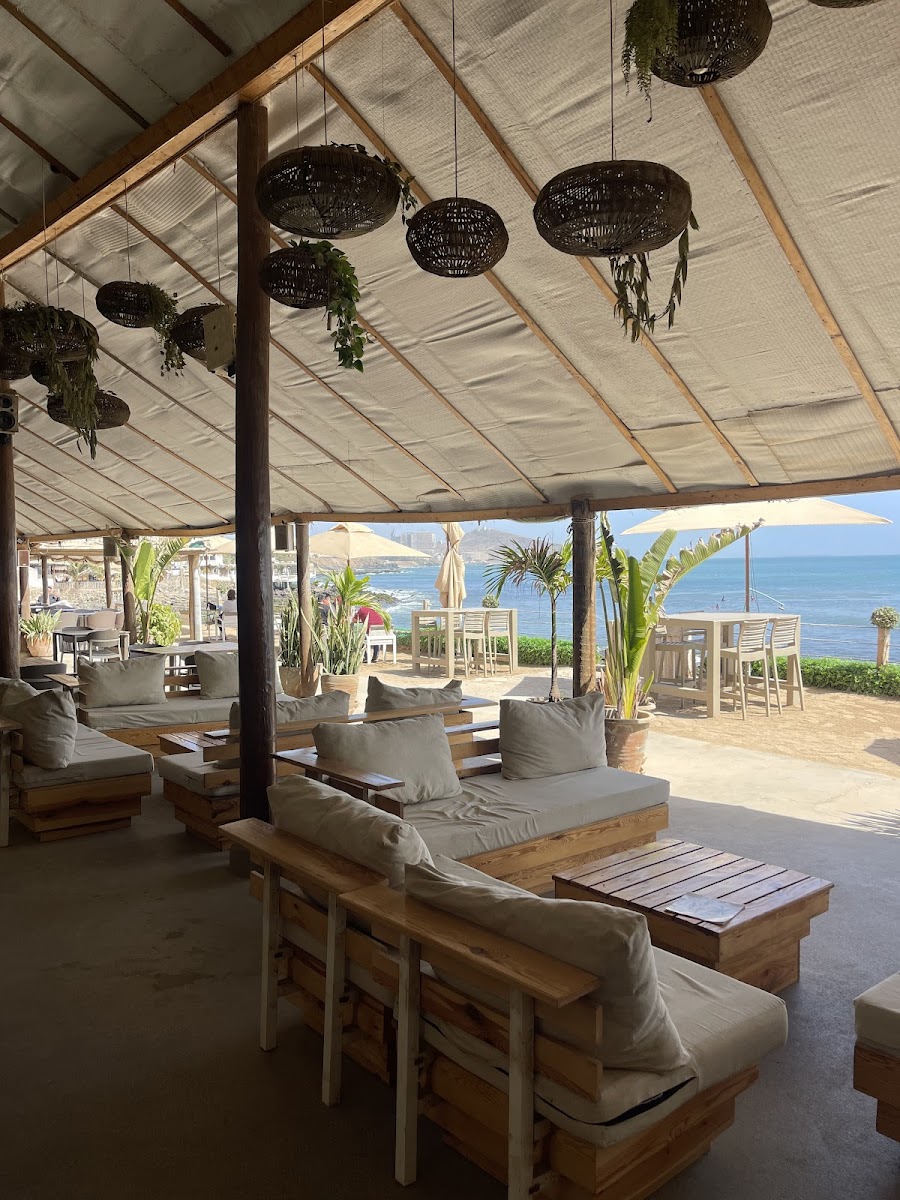
This is a beautiful restaurant. Great location. Gorgeous scenery. Hospitable service. Great food. This is where I experienced Senegalese Téranga hospitality and authentic Senegalese food. I highly recommend.
Overview
Walking into Chez Fatou for the first time in Dakar, Senegal feels like being invited into someone’s home rather than a restaurant. The scent of slow-simmered peanut stew hits before you even sit down, and that alone tells you this place takes its cooking seriously. I’ve eaten my way through plenty of local spots across the Plateau and Medina, but this one keeps pulling people back, from office workers on lunch break to travelers who heard about it through word-of-mouth reviews.
The menu leans heavily into Senegalese comfort food, with dishes that locals actually eat at home. Thieboudienne shows up exactly how it should: broken rice soaked with tomato, chunks of fish that hold together, and vegetables cooked just long enough to stay flavorful. I once watched the kitchen staff prepare it step by step, starting early in the morning, which matches what culinary researchers from Senegal’s Ministry of Culture have documented about traditional cooking methods being time-intensive but essential for flavor depth. The same care goes into yassa poulet, where the onions are patiently caramelized instead of rushed, giving the sauce its signature balance of tang and sweetness.
One thing that stands out is consistency. A regular I spoke with during a busy Friday lunch mentioned he orders the same dish every week because it always tastes identical. That might sound small, but in restaurant operations, consistency is often harder to achieve than creativity. According to food service studies cited by the National Restaurant Association, repeat customers prioritize reliability over novelty. Chez Fatou seems to understand this instinctively.
The location is another reason it stays busy. Tucked near major offices and embassies, it’s easy to reach whether you’re navigating Dakar traffic by taxi or on foot. The dining room itself is simple, with clean tables and just enough decor to remind you where you are without trying too hard. Nothing feels staged for social media, which many diners quietly appreciate.
I asked a server once how they manage during peak hours, and she explained their process without hesitation. Orders are grouped by dish rather than table, which reduces wait times and kitchen errors. That approach lines up with recommendations from hospitality experts at Cornell University, who often point out that workflow design directly impacts customer satisfaction. You feel it here when plates arrive hot and correct, even when the room is full.
Reviews online frequently mention hospitality, and that part is real. On my last visit, a tourist from France was gently guided through the menu, with explanations of spice levels and ingredients like fermented locust beans. The server described it as deep umami flavor, a phrase that stuck because it made a complex ingredient instantly understandable. Moments like that build trust, especially for diners unfamiliar with West African cuisine.
Of course, no place is perfect. The menu doesn’t change often, so if you’re hunting for seasonal specials or experimental dishes, this may not be your spot. Also, during lunch rush, seating can be tight, and reservations aren’t always an option. Still, these limits are fairly common for popular local diners in Dakar, and most guests seem willing to work around them.
What keeps Chez Fatou relevant is how it bridges everyday eating with cultural preservation. Organizations like UNESCO have emphasized the importance of safeguarding culinary heritage, and restaurants like this quietly do that work daily, one plate at a time. You’re not just eating; you’re participating in a routine that has fed families for generations.
Good to know
Service options
✓ Outdoor seating ✓ Delivery ✓ Takeaway ✓ Dine-inHighlights
✓ Great beer selection ✓ Great cocktails ✓ Great coffee ✓ Great dessert ✓ Great tea selection ✓ Great wine list ✓ SportPopular for
✓ Breakfast ✓ Lunch ✓ Dinner ✓ Solo diningAccessibility
✓ Wheelchair-accessible car park ✓ Wheelchair-accessible entrance ✓ Wheelchair-accessible seating ✓ Wheelchair-accessible toiletOfferings
✓ Alcohol ✓ Beer ✓ Cocktails ✓ Coffee ✓ Halal food ✓ Late-night food ✓ Quick bite ✓ Small plates ✓ Spirits ✓ Vegan options ✓ Vegetarian options ✓ WineDining options
✓ Breakfast ✓ Brunch ✓ Lunch ✓ Dinner ✓ Catering ✓ Dessert ✓ Seating ✓ Table serviceAmenities
✓ Bar on site ✓ ToiletAtmosphere
✓ Casual ✓ Cosy ✓ Quiet ✓ Romantic ✓ Trendy ✓ UpmarketCrowd
✓ Groups ✓ Tourists ✓ University studentsPlanning
✓ Brunch reservations recommended ✓ Lunch reservations recommended ✓ Dinner reservations recommended ✓ Accepts reservationsPayments
✓ Credit cards ✓ Debit cards ✓ NFC mobile paymentsChildren
✓ Good for kids ✓ Good for kids birthday ✓ Has changing table(s) ✓ High chairs ✓ Kids' menuParking
✓ Free of charge street parking ✓ Free parking lot ✓ ParkingPhotos
1 / 4
Location
Reviews
- No ratings yet 2199 reviews
I came to Chez Fatou hoping to try the thieboudienne, but they didn’t have it that day. I went with the staff’s recommendation of thiof instead—and it was absolutely delicious. Generous portion, the fish was full of flavour and so satisfying I couldn’t finish it. Took the rest home and enjoyed it again the next day! The atmosphere was quiet and peaceful, with soft music playing in the background—perfect for a relaxing dinner by the sea. The service was attentive, and while it’s on the pricier side, the quality of the experience made it feel worth it.
I love Chez Fatou! Best value on the Corniche. I should know, I’ve tried them all. You get a sea view. You get good service. You get good food at a good price.
Food is really good. Service is quick and well done. Price is also good considering the quality of the meal, Service, location, etc. Really nice spot for a good lunch or dinner with friends, family or colleagues.